Meeting the Needs that Matter: Maslow’s Hierarchy and Dementia Care
By Dementia Family Support
Caring for someone living with dementia is not just about managing medications or ensuring safety—it’s about truly seeing the person behind the diagnosis. One of the most powerful tools we can use to better understand what a person with dementia needs is Maslow’s Hierarchy of Needs. Though developed decades ago, Maslow’s model remains deeply relevant, especially when applied to dementia care.
What is Maslow’s Hierarchy of Needs?
Maslow’s Hierarchy is a psychological theory proposed by Abraham Maslow in 1943. It’s often visualized as a pyramid with five levels of human needs:
- Physiological Needs – food, water, warmth, rest
- Safety Needs – security, stability, protection
- Love and Belonging – relationships, friendship, emotional support
- Esteem – dignity, respect, confidence
- Self-Actualization – personal growth, fulfillment, purpose
The idea is that individuals must have their basic needs met before they can move up to higher levels of emotional and psychological well-being.
Applying the Hierarchy to Dementia Care
When someone is living with dementia, their ability to communicate needs and meet them independently becomes compromised. As care partners, family members, and professionals, it’s our role to ensure these needs are being met, even if the person cannot always express them clearly.
- Physiological Needs
For someone with dementia, this might mean:
- Ensuring meals are nutritious, appealing, and easy to eat
- Maintaining hydration
- Helping with toileting and hygiene
- Promoting restful sleep
- Monitoring for signs of pain or discomfort that may go unspoken
When these basic needs are unmet, it can lead to increased confusion, agitation, or behaviors often labeled as “challenging.”
- Safety Needs
Consistency and predictability become incredibly important in dementia care. This includes:
- Creating a secure, clutter-free environment to prevent falls
- Following familiar routines
- Using supportive communication to reduce anxiety
- Ensuring the person feels emotionally safe and not “in trouble”
Safety isn’t just physical—emotional safety is equally vital. Someone who feels secure is less likely to become distressed or withdrawn.
- Love and Belonging
Social isolation is a serious concern in dementia care. Humans are wired for connection. Even as memory fades, the need to belong does not.
- Meaningful touch, eye contact, and presence matter
- Encouraging connection with family, pets, and community
- Using memory books, photos, or music to foster emotional closeness
Care is not just a task—it’s a relationship.
- Esteem
People living with dementia are often treated like they are no longer capable or valuable. This strips away dignity and self-worth.
- Involve them in decision-making when possible
- Offer choices, even in small things
- Use language and tone that is respectful, never patronizing
- Celebrate what they can do, not just what they can’t
With the right support, many individuals continue to contribute, create, and take pride in their abilities.
- Self-Actualization
This level is about purpose, fulfillment, and being the best version of oneself. For someone living with dementia, self-actualization doesn’t disappear—it just looks different.
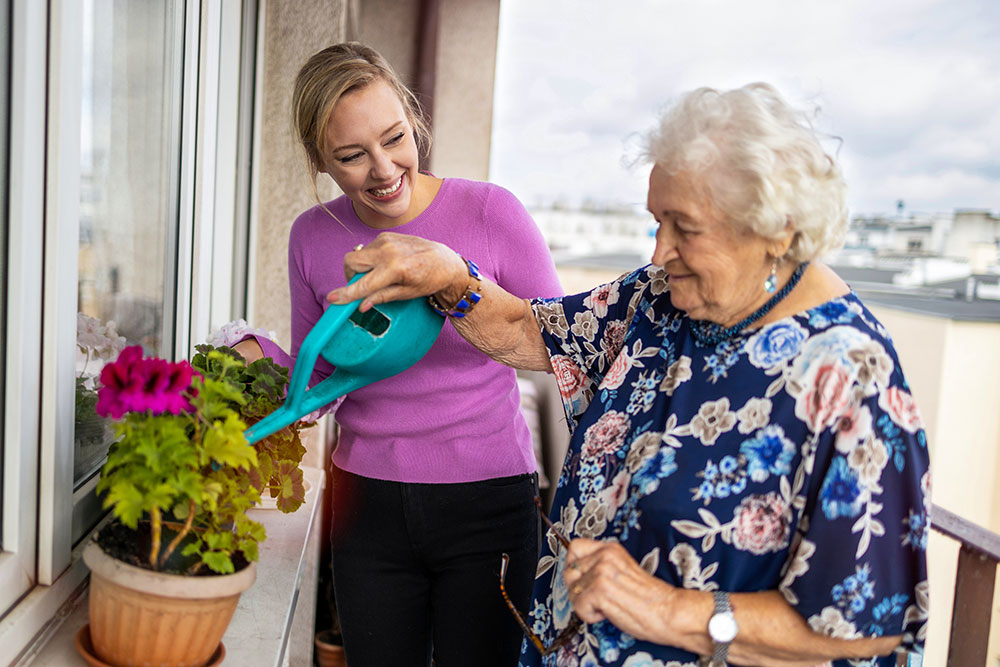
- It might be painting, singing, gardening, or simply being part of a group
- It’s about being rather than doing
- Creating moments of joy, meaning, and presence—however brief
Every person, no matter their cognitive status, deserves the opportunity to feel purposeful.
The Takeaway
Maslow’s Hierarchy reminds us that dementia care is human care. Behind every behavior is a need. When we step back and ask, “What need isn’t being met here?”—we move from managing symptoms to understanding people.
At Dementia Family Support, we emphasize person-centered care grounded in compassion, dignity, and respect. By using frameworks like Maslow’s Hierarchy, we not only meet basic needs—we nurture the heart, mind, and spirit of those living with dementia.
Because every person deserves to feel safe, loved, valued, and whole.
Interested in learning more about dementia care? Join one of our caregiver workshops or contact us for support and resources. You’re not alone—and with the right tools, you can make every moment count.