💔 Don’t Forget Me
Remembering the Person Behind the Dementia
Somewhere along the way, dementia started stealing more than memories — it began stealing how we see the people we love.
We talk around them.
We make choices for them.
We whisper their story in the past tense, even while they’re sitting right beside us.
And too often, we let dementia become the headline — when it should only be the footnote.
🌿 The Person Is Still Here
Yes, dementia changes the brain. It changes communication, movement, memory, and expression. It changes routines, relationships, and expectations.
But it does not erase the person.
Underneath the shifting abilities and fading memories is someone who still feels joy, fear, love, pride, and comfort. Someone who still needs to be seen, heard, and valued — not as a “patient,” not as a “case,” but as a person.
When we rush in to take over, make decisions, or talk over someone with dementia, we may think we’re helping. But sometimes, we’re unintentionally taking away the very things that make them feel human — choice, dignity, and identity.
🫶 What They Wish We Knew
If your loved one could put their feelings into words, they might say:
“I know I’ve changed, but I’m still me.”
“Please don’t talk about me like I’m not in the room.”
“Let me try, even if I need help.”
“Celebrate what I can do — not just what I can’t.”
“Don’t forget me while I’m still here.”
It’s easy to focus on loss — but dementia care is just as much about connection.
When we learn how to slow down, approach with intention, and see the abilities that remain, we start to rediscover the person we thought was fading away.
🧠 Dementia Changes the Brain, Not the Heart
Teepa Snow often says, “Dementia changes the brain — not the person’s desire to be loved.”
That’s why how we engage matters. It’s why at Dementia Family Support, we teach care partners to meet people where they are, rather than where we wish they still were.
When we use the Positive Physical Approach®, offer Hand-Under-Hand® assistance, or adjust our communication tone and pace, we’re telling the person:
“I still see you.”
“You still matter.”
“You’re not forgotten.”
Because the truth is — the more dementia changes, the more our love and presence matter.
🌼 Choosing Connection Over Control
Sometimes, we take over because it feels faster, safer, or less frustrating. But when we always do things for a person instead of with them, we send a quiet message that they’re no longer capable — that they’ve already disappeared.
Instead, try slowing down.
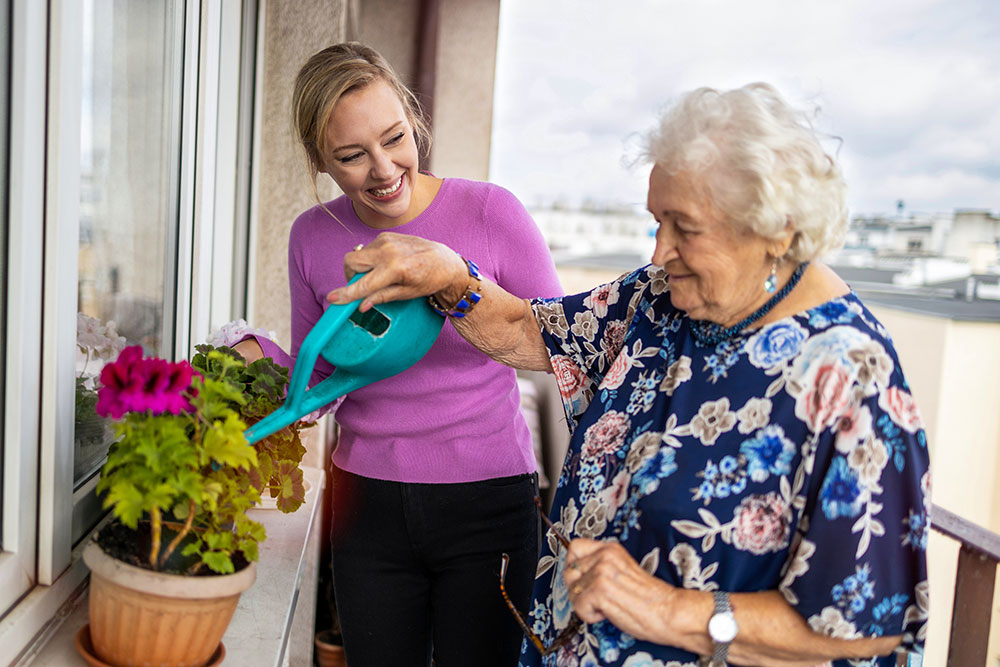
Let them stir the batter, even if flour ends up everywhere.
Let them choose the blue shirt, even if it doesn’t match.
Let them fold the towels, even if they aren’t perfect.
These moments aren’t about the task — they’re about the connection.
They’re about dignity.
They’re about remembering that the person you love is still walking this journey — just from a different place in the brain.
💜 A New Way to Remember
“Don’t forget me.”
It’s a simple plea that echoes from every person living with dementia.
Don’t forget my story.
Don’t forget my worth.
Don’t forget my laughter, my habits, my favorite song.
Don’t forget that I am still here, even when I need your help to find my words.
So let’s promise — as families, caregivers, and communities — to remember.
To pause before speaking for someone.
To include them in conversation.
To see past the symptoms and hold onto the soul.
Because love doesn’t end where dementia begins.
And when we remember that, we give back what dementia can never truly take — connection.
✨ Closing Thought
At Dementia Family Support, we believe that remembering the person behind the diagnosis is the foundation of compassionate care. Dementia may change how the brain works — but it will never change how love works.
Let’s keep showing up.
Let’s keep seeing the person.
And let’s never, ever forget them.